The Importance of Stocks and Supply
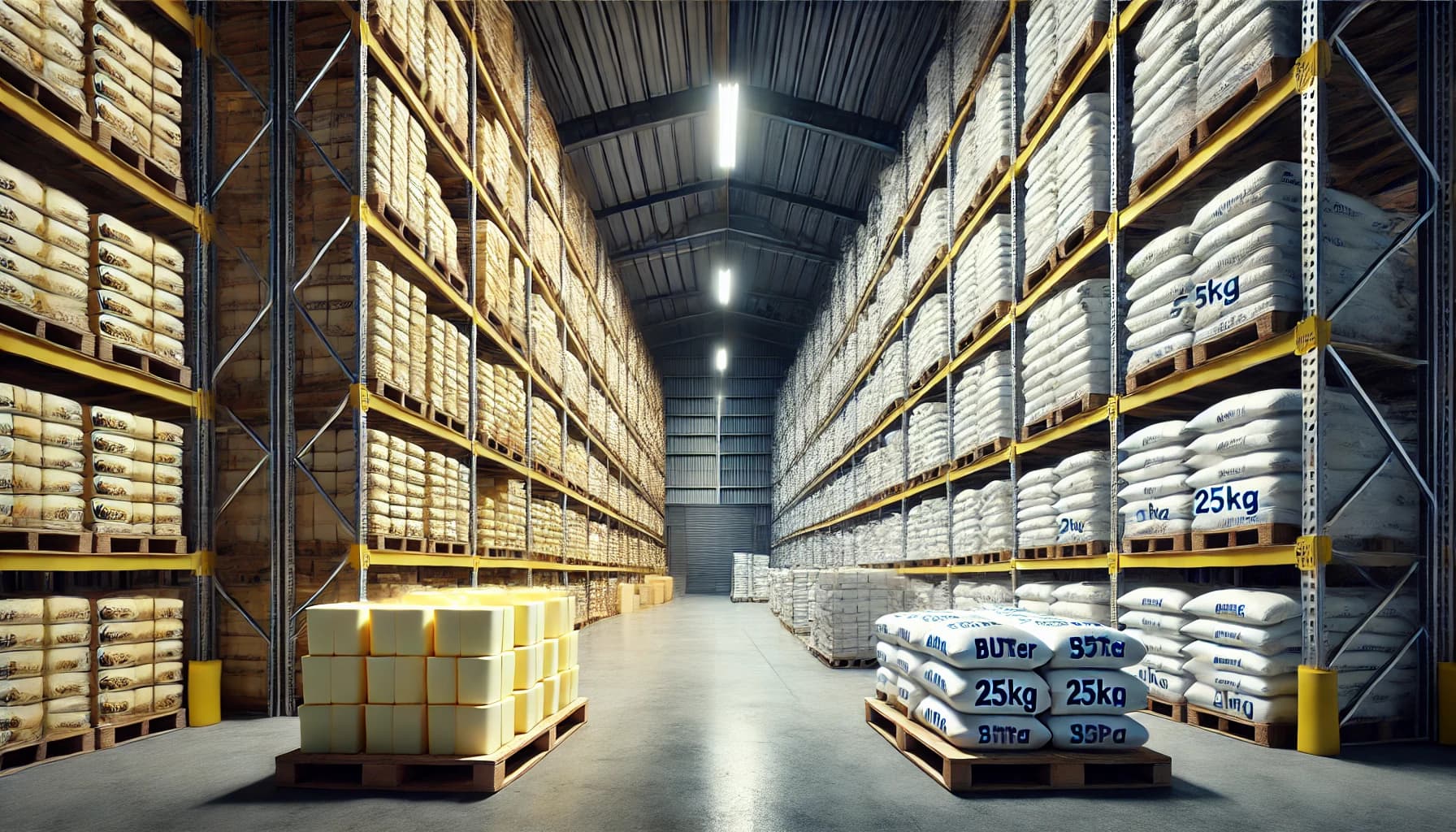
Last week was one of the most volatile we’ve seen in a while, with aggressive bears overtaking the market after a period dominated by bullish sentiment. Butter and cheese markets experienced significant price swings, and while some anticipated this shift, others, including ourselves, were caught off guard. As the dust settled, we had time to dig deeper into what triggered this market movement. While it’s hard to distill into a single explanation, we now understand why both bullish and bearish views could be valid in the coming weeks. Bulls are focused on stocks, while bears are watching supply. Each has a different view and time frame. So, let us walk you through the same path our partners have taken us.
Supply and demand drive market prices as usual. The supply side is broken down into three key elements: fresh supply, imports, and stocks. Fresh supply depends on milk intake, producer capacity, and the best product valorization. Imports are another crucial factor, with the EU currently being the most expensive region globally. We anticipate more supply arriving in Europe in the coming months, though so far, butter in the EU has been scarce. However, products are expected to land by the end of December. With new trade agreements, we may see higher imports than usual when price gaps between the EU and the rest of the world are significant. Lastly, stocks—already produced dairy products stored for future sale—serve as a buffer, especially important given seasonal fluctuations in milk production.
The EU dairy market typically builds stocks during high production seasons and draws on those stocks during lower production periods. Butter, in particular, feels the impact of stock levels most, followed by cheese, and lastly, powders.
Butter Stocks: Historically Low
Butter stocks have been the lowest in recent years, and our bullish partners have been predicting a genuine shortage heading into the current period of October-November. High demand and costly fresh production make the market heavily reliant on existing stocks. However, stock-building incentives have been weak over the last months: forward prices were flat, cream prices exceeded butter prices, and high financing and storage costs discouraged speculation. These factors have contributed to lower production and minimal stock-building, resulting in a very tight butter market.
Supply Growth Expected
While bulls have good reason to remain optimistic, the bearish argument centers on anticipated increases in supply. Milk intake is improving, and fat content is rising, potentially boosting fresh dairy production. Bulls may dismiss this, arguing that increased milk production will go into cheese, particularly in Ireland where producers can pivot to cheddar. Poland might shift more towards butter production, but their milk dip typically occurs in November. Fresh butter surplus isn't expected until December, when supply pressure could begin impacting EU markets. With EU milk intake outpacing demand, stock-building will need to resume, and with butter priced around €7500 or higher, it’s likely to be the last product buyers will want to store. Add in expected imports and traditionally weak January demand, and you have a bearish case for the butter market.
Butter Outlook: Tight for Now
In the short term, the butter market is expected to remain tight. We think producers are keeping minumim stocks, traders are "empty" for this year and end users use the leanest purchasing strategy available to them. Prices could hold at €7600-€8000 or higher for specific brands or fresh products, but once fresh supply catches up with demand, we agree with the bearish view that prices may decline. Buyers for Q1 are likely to target prices just below €7000, with a potential floor between €6200-€6500 as we hear 2025 budgets are set just below € 7000,- at the moment. November will be the most challenging month, with buyers scrambling for goods. If stocks prove sufficient, last-minute buying could work in their favor, but a short squeeze could also materialize as an unpleasant surprise for those waiting too long.
Cheese Market: Fresh Cheese Weakening
In the cheese market, stocks don’t play as significant a role due to the shorter shelf life of products like Gouda, Mozzarella, and Cheddar curd. Instead, milk supply and production capacity are the dominant factors. As butter prices drop, cheese production becomes more attractive, especially for mozzarella, which benefits from high cream prices. The previously forecasted high prices for fresh cheeses may need to be revised downward.
Cheeses with longer ripening times, like cheddar and Emmental and Maasdam, face less immediate price pressure, as increased production won’t be felt until next year. Short-term shortages in these categories can’t be quickly resolved, which helps support prices.
Cheese Supply: Increasing Production
With cheese more profitable than butter/SMP, we expect an increase in fresh cheese production, which will put pressure on prices, particularly mozzarella. Milk intake is improving, and mozzarella producers benefit from higher cream yields. Prices could weaken in the near term, with the biggest declines likely in Q1, as milk supply increases seasonally and butter becomes too costly to store.
Powder Stocks: Not Just a European Issue
In contrast to butter and cheese, powder stocks are relatively high. Though not as large as during previous intervention periods, current stock levels are enough to keep buyers comfortable. Stocks are also fresher compared to past years, when we saw older product in circulation. Export challenges this year have kept more product in the EU, contributing to higher stock levels during the summer.
Powder Supply: Steady
Fresh supply for powders remains steady compared to previous years. Factories are keeping production low due to the poor butter/SMP valorization. BMP is also tight, limiting protein supply. As long as exports don’t surge in the coming months, stocks should remain high enough to keep prices in a low range. However, a weakening euro could reignite export opportunities sooner than expected.
Outlook: A Mixed Picture
Overall, we may have overstated the importance of low stocks. As long as the market avoids running dry and overproduction looms, tight markets may not have the expected impact on prices. Those needing fresh Polish sweet cream butter will still have to pay €8000 or more, as producers won’t ramp up production without significant incentives. But Irish producers, with fewer alternatives, may see slightly lower prices. Longer-ripening cheeses will remain tight, but fresh varieties like Gouda, Mozzarella, and Cheddar curd could see increased availability as milk supplies rise.
Fresh supply pressure in Q1 will likely have a bigger impact on high-priced products like butter than on SMP, which is already closer to its long-term bottom. If buyers are hesitant to stock butter, excess milk will flow into cheese, leading to price corrections there as well.
For those who find this summary too bearish, we remain short-term bullish and believe that this could lift prices in early Q1. For those who think it’s too bullish, note that we do believe fresh supply will put downward pressure, though not immediately. As for demand, we invite you to share your data. So far, consumer demand remains solid, though end-users seem to be keeping minimal stocks, suggesting a potential slowdown. We don’t see evidence of a collapse in demand due to high prices in the data we’ve reviewed.
We wish you all a successful trading week and look forward to your feedback.
More from the desk
Our Long View Before Our Long Break 
Our Long View Before Our Long Break
Last week the market found a bit of stability. After lower trades on cheese, the cheese market traded slowly up, although a real rally remains absent. Butter prices did dip a bit further, although at the start of this week we see some strength on the back end of the curve. And on powder, our bullish feeling just doesn't go away — and now we can find some confirmation in the market as well.
Dairy Carry Has a Shelf Life 
Dairy Carry Has a Shelf Life
Last week was bearish across the board — every product we broker leaned the wrong way. Powders lost more momentum, cheese slipped well below €3,000 for some products, and butter continues to impress with just how much keeps showing up. Supply, supply, supply.
Summer Shopping or Summer Sale? 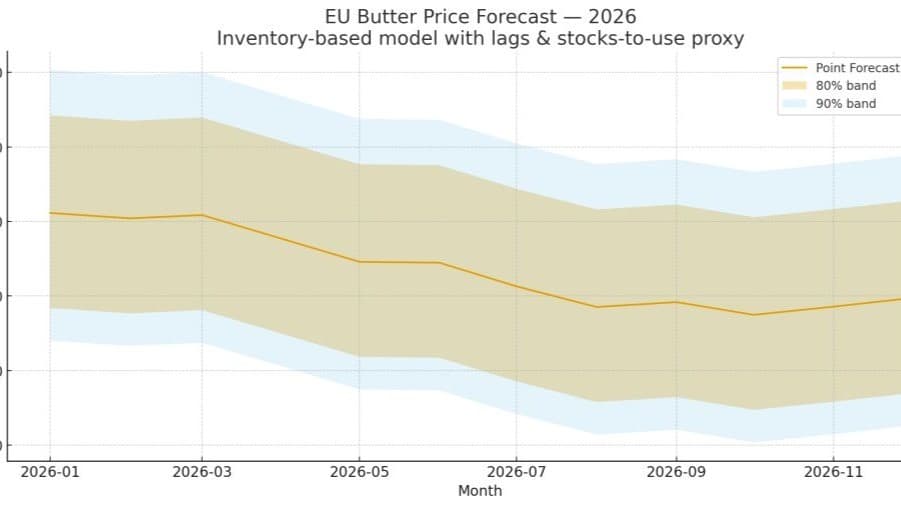
Summer Shopping or Summer Sale?
Last week was again a bit of a bearish week for the entire dairy industry. With cream prices under pressure and milk intake still strong, we keep seeing a market that has more supply than demand. Butter prices took another step lower, cheese prices cracked, and the powder market gave back a bit of its gains again.
The weekly report
Get it before it is anywhere else
Every market report, straight to your inbox the moment it is written. Butter, cheese, powder, liquids — pick what you actually trade.
Roughly weekly · Free · Unsubscribe any time