Weekly Update: Worries about a War?
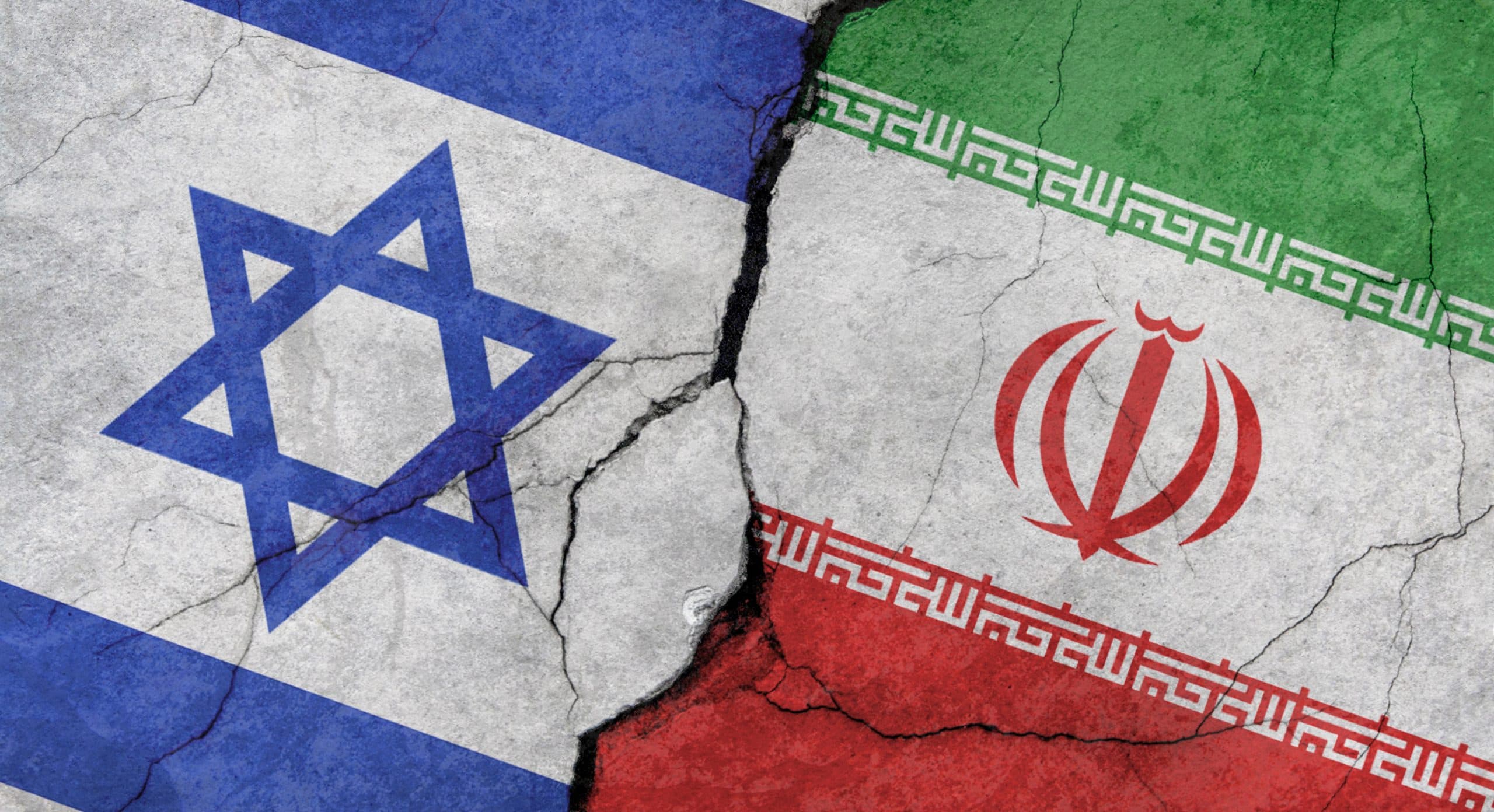
Last week the market didnt show a lot of movement. It felt a bit firmer on some products and a bit weaker on others, although sentiment at the end of the week changed as well. We are now mid-flush and the pressure of the milk is starting to show. And although that isn't surprising to anyone, it does have an impact on prices of raw milk, cream and SMC and some spot prices for butter, SMP and cheese. The relatively calm "non-dairy" conditions made the last weeks less volatile. But with tensions building in the Middle East, the days of those low-volatility weeks might be over.
As said before, we are not specialized in geo-political relations, we know the tensions in the Middle East are a very dangerous topic to have an opinion about, and not having one is even considered having one. So we will avoid talking about the details of the conflict or who is right or wrong, but we should talk about the effects.
Oil Prices and Transportation Costs:
The Middle East is a critical region for global oil supply. A larger outbreak of the conflict there could disrupt oil production and elevate global oil prices. Especially now that the West is also in conflict with Russia, who is also a big world producer for Oil (and other energy alternatives). Higher oil prices usually have a dairy price-boosting effect. Higher fuel costs would subsequently increase transportation costs for dairy products, making them more expensive to ship internationally.
Supply Chain Disruptions:
The Middle East serves as a strategic geographical hub for trade routes that connect Asia, Europe, and Africa. War could disrupt these routes, complicating logistics and supply chains for dairy commodities. Delays and rerouting could also lead to increased costs and reduced availability of dairy products globally.
Demand Shifts and Stock Building:
Economic instability caused by war can lead to shifts in demand. While essential commodities like SMP might see stable or increased demand due to their use as staple foods in humanitarian aid, luxury or non-essential dairy products such as certain cheeses might experience a drop in demand if consumer spending decreases. If the situation should escalate we could also see buyers stocking up. Its not uncommon that if the supply certainty drops, buyers increase their stock levels. So if supply chains get disrupted, the impact on their companies is brought back to a minimum.
Currency Fluctuations:
Wars often lead to uncertainty in financial markets, affecting currency values. A significant escalation in the conflict in the Middle East could lead to fluctuations in major currencies, impacting the cost competitiveness of dairy exports and imports. For example, a stronger dollar might make U.S.-produced dairy products like butter and SMP more expensive for buyers using weaker currencies.
Trade Barriers and Market Access:
If the conflict escalates to involve multiple countries, there could be new trade barriers, such as sanctions or embargoes, that affect the dairy market. Access to key markets might be restricted, altering the flow of butter, SMP, and cheese, and possibly leading producers to seek alternative markets or sources.
Overall, a war in the Middle East could lead to higher prices and supply shortages in the global market for butter, SMP, and cheese, along with broader economic impacts due to increased oil prices and market uncertainties. And with prices for SMP trending around a long-time low, it would not surprise us if global buyers start to secure some additional quantities if the situation escalates further. Let's hope that the world leaders can keep their heads cool and dairy commodity prices trade sideways longer until there is a dairy-related event that turns the price up or down again.
More from the desk
Our Long View Before Our Long Break 
Our Long View Before Our Long Break
Last week the market found a bit of stability. After lower trades on cheese, the cheese market traded slowly up, although a real rally remains absent. Butter prices did dip a bit further, although at the start of this week we see some strength on the back end of the curve. And on powder, our bullish feeling just doesn't go away — and now we can find some confirmation in the market as well.
Dairy Carry Has a Shelf Life 
Dairy Carry Has a Shelf Life
Last week was bearish across the board — every product we broker leaned the wrong way. Powders lost more momentum, cheese slipped well below €3,000 for some products, and butter continues to impress with just how much keeps showing up. Supply, supply, supply.
Summer Shopping or Summer Sale? 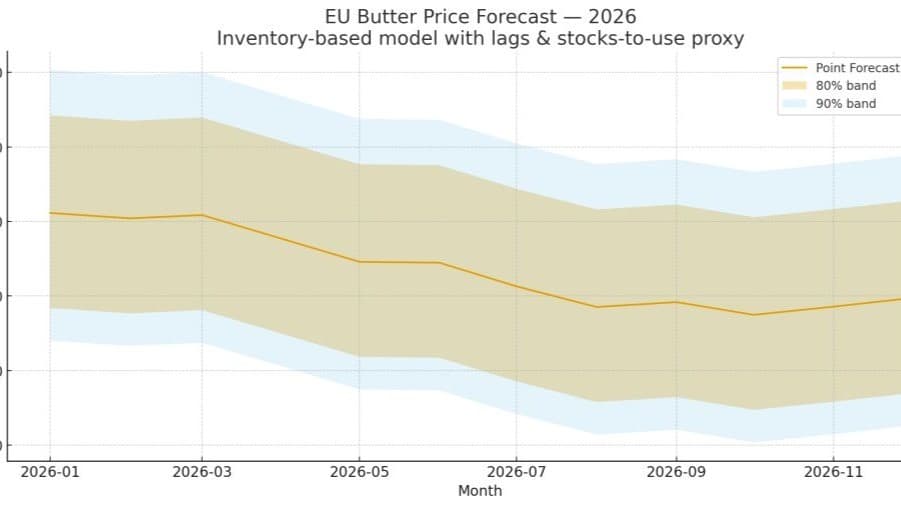
Summer Shopping or Summer Sale?
Last week was again a bit of a bearish week for the entire dairy industry. With cream prices under pressure and milk intake still strong, we keep seeing a market that has more supply than demand. Butter prices took another step lower, cheese prices cracked, and the powder market gave back a bit of its gains again.
The weekly report
Get it before it is anywhere else
Every market report, straight to your inbox the moment it is written. Butter, cheese, powder, liquids — pick what you actually trade.
Roughly weekly · Free · Unsubscribe any time