
How Much Bears can the remaining Bulls Fight of?

Over the past two days, the market has been creaking and groaning under the pressure of the milk flush. It's a common annual occurrence; the market experiences this every year, and the next six weeks will likely follow the same pattern. The EU milk peaks present a recurring challenge in allocating the surplus of milk, cream, concentrate, and extra raw milk produced by EU farmers. Yet, this year the pressure feels more intense than in previous years. Could it be that the market has forgotten the strain of the flush period, or is there an additional factor exacerbating the pressure? We believe there are several contributing factors.
Warm Winter, Early Flush
This year's exceptionally warm winter seems to have triggered an early flush in some countries. Traders and producers warn that this has pushed milk production ahead of last year's figures earlier than usual, though it might also lead to a quicker decline below last year's levels. Ireland is an exception; extreme wet conditions have kept cows indoors, resulting in an approximate 10% year-on-year deficit. However, while the Irish milk season may have started late, it's peak could potentially extend longer than usual.
Weather: Good for Production, Bad for Consumption
The weather forecast across Nothern Europe shows temperatures ranging from 10-17 degrees Celsius for the next two weeks, with frequent rain showers alternated with sunshine. These conditions are ideal for grass growth and milk production but less favorable for consumption. We observe that demand for fresh produce is trailing behind last year. The combination of increased milk supply and decreased demand has easily led to this week's surplus. The anticipated "short weeks" due to numerous bank holidays in May will likely further reduce factory demand.
Low Contango, High Carry Cost
The market currently displays very low contango across most products, which negates the feasibility of stocking products to sell at higher prices in Q3/Q4. Moreover, with higher prices and interest rates, the cost of stocking products has become increasingly excessive, eliminating the incentive to store products for future sale. Consequently, we see more partners inclined to sell stock for immediate delivery, and producers are offering fresh products at discounts to avoid the costs associated with freezing, storing, and financing goods.
Conclusion
The current market conditions, influenced by early seasonal changes, adverse weather for consumption, and financial pressures, present a complex challenge that is heavier than in previous years. These factors collectively explain the present market dynamics and suggest a continuing trend of market pressure in the near term. But we would still like to warn our partners, short term sales pressure says very little about the long-term supply and demand balance. If our fundamental analysis is still right, we will see less stock compared to previous years once the flush is over, creating the same imbalance as we see today, but inversed. As we navigate these turbulent waters, it's evident that adaptability and proactive management will be crucial for stakeholders to weather the storm. In times of change, the wisest course is often to adapt swiftly and decisively.
More from the desk
The Bull, The Bear & The Black Swan 
The Bull, The Bear & The Black Swan
Last week was an intense one. When conflict erupted in the Middle East, the market's first instinct was to buy. Partners moved quickly on available offers, and by Tuesday the GDT had rallied alongside a broad bullish swing across agricultural commodity markets world wide. For a moment, it felt like the market had made up its mind. The second half of the week told a different story.
The Bull, The Bear and the Fairy Dust 
The Bull, The Bear and the Fairy Dust
After another active week of trading and yet another slide in prices, we started preparing this week’s report. But beyond concluding that the market remains bearish, there are countless ways to tell the same story: more milk, more stock, slower demand, lower prices. You know the drill. So this week, we’ll skip the usual summary. Those who know us well know we have two children — Lina and Ollie.
The Five Phases of a Buyers Grief 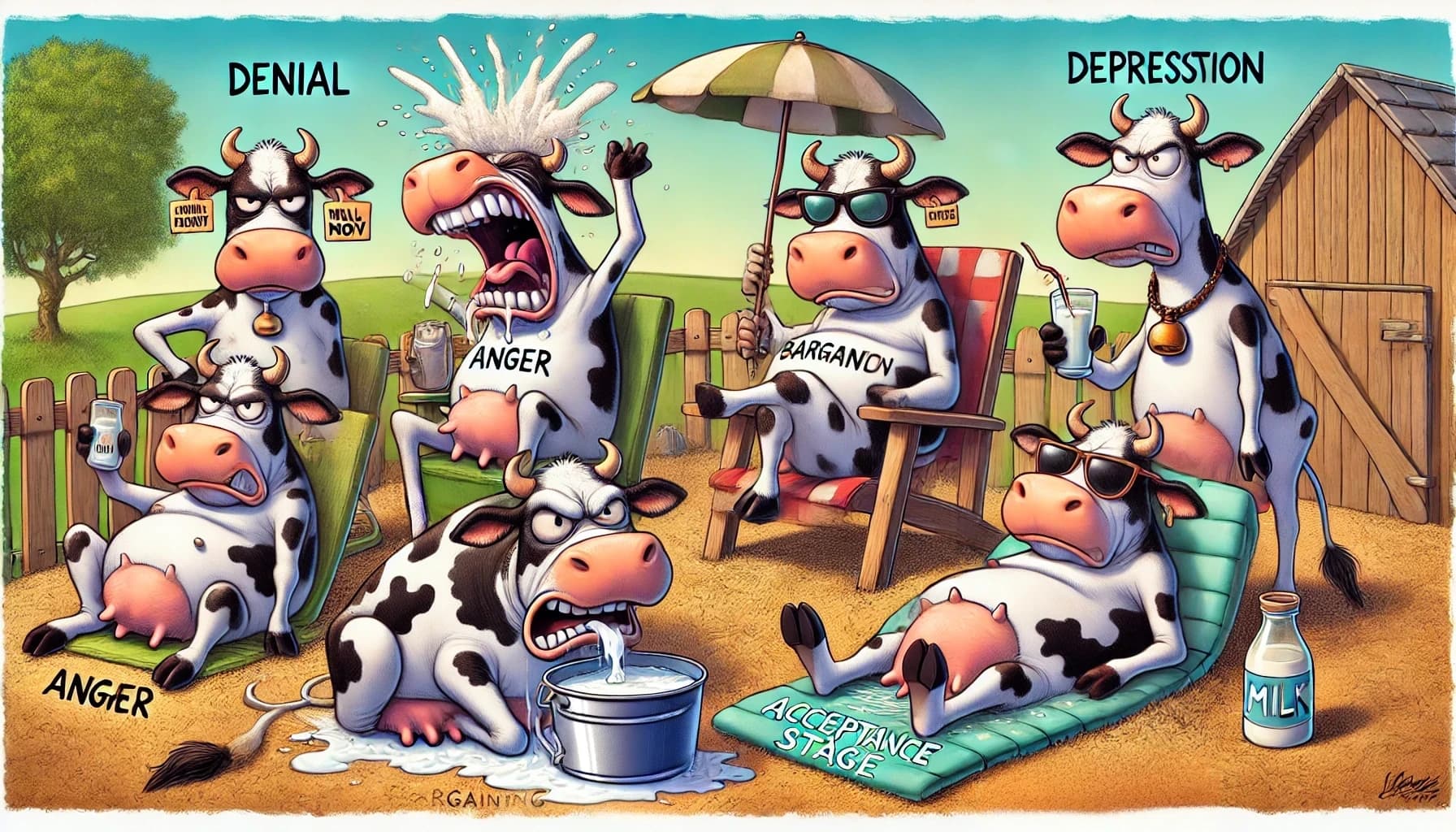
The Five Phases of a Buyers Grief
Yesterday, the market continued its bullish trajectory, driven primarily by surging spot prices for liquid products. With raw milk prices averaging €0.65, SMC prices reaching €2,550, and cream prices breaking records at €10,000 to €10,250, it’s evident that processors are fiercely competing for raw materials. This has left minimal supply available for commodity production.
The weekly report
Get it before it is anywhere else
Every market report, straight to your inbox the moment it is written. Butter, cheese, powder, liquids — pick what you actually trade.
Roughly weekly · Free · Unsubscribe any time